

Work package 4: Exploiting
Summary
High-quality climate data is only useful if it reaches those who need it, in a form they can understand and use. This work package focuses on transforming climate data into actionable insights. It develops guidance and tools for maximizing the use of EO data, supports global climate data centres, and promotes the application of AI and other innovative approaches for climate service delivery.
WMO, Flickr
What this work package covers
- Bringing together findings from the urban heat and ecosystem demonstrators (WP3).
- Providing guidance on how to use EO data effectively in climate services.
- Exploring AI and other digital tools to enhance data exploitation.
- Supporting the evolution of global climate data centres and global initiatives such as Early Warnings for All and the Global Greenhouse Gas Watch (G3W).
Why it matters
- Making full use of EO data accelerates effective climate action.
- Innovative tools help users understand and apply complex climate data.
- Data-driven services support planning, resilience and mitigation.
- Builds long-term capacity across countries and institutions.
How the work is done
- Integrate lessons learnt from urban heat and ecosystem demonstrators (WP3).
- Develop best practices and guidance for EO data exploitation.
- Collaborate with pilot projects to test and refine service models.
- Identify technical and operational needs of global climate data centres.
Expected results
- A roadmap for using EO data in global and regional climate services.
- Final guidance on AI applications for climate data.
- Synthesis reports on greenhouse gases and pilot activities.
- Clear recommendations on the future roles and needs of global climate data centres.
Update
iClimateAction engages with Earth Observation community at the GEO Global Forum in Rome
21 May 2025
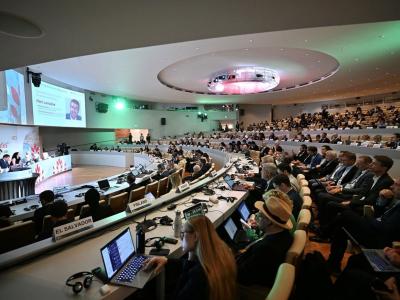
The GEO Global Forum in Rome that took place 5-9 May marked the first opportunity to introduce iClimateAction to a wide Earth Observation (EO) community. Representatives of the project engaged in person with key stakeholders to share the project’s vision and initiate dialogue around common goals.

Project update
WMO launches iClimateAction to strengthen global climate intelligence
7 March 2025
The World Meteorological Organization (WMO), in partnership with the Global Climate Observing System (GCOS), the Group on Earth Observations (GEO), and the European Commission, launched the iClimateAction project at WMO headquarters and online.